
June 20, 2026
Kyoto Tango Railway and Yura River Bridge Plan
Kyoto Tango Railway and Yura River Bridge Plan helps Kyoto and Kansai travelers plan rail and route decisions with route timing, comfort checks.
Summary Card
Use this guide for one clear planning decision.
- Best for
- First-time
- Main decision
- Which route or pass is worth using
- Time needed
- 15-25 minutes after you know hotel area
- Official checks
- Current timetables, fares, luggage rules, service alerts
- Related tool
- Japan Itinerary Hub
Write down the exact airport, station, hotel area, luggage level, and rail legs before buying any pass or ticket.
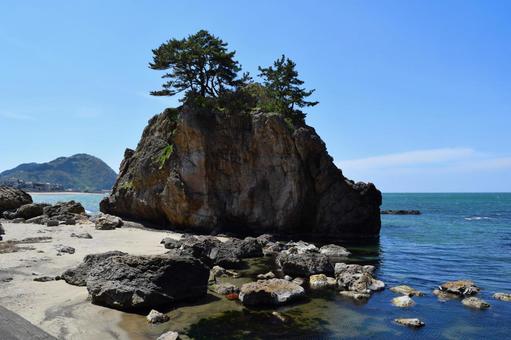
Why northern Kyoto needs a different mindset
Kyoto's coastal north is not a quick extension of a temple-heavy city day. Another Kyoto, the official prefectural tourism guide, frames the area as a different Kyoto: Sea of Japan scenery, fishing villages, castles, local food, and rail journeys that feel far removed from central Kyoto's busiest corridors.
The Kyoto Tango Railway is central to that experience. The official guide describes it as both local public transportation and a sightseeing train in the Kyoto by the Sea area, with changing views from ocean to mountain and rural landscapes. The Yura River Railway Bridge is specifically noted as a popular spot where the railway runs over the sea.
How to build a realistic rail day
The first decision is whether the railway itself is the goal or whether it is supporting a larger northern Kyoto plan. If you want the scenic rail experience, keep the day focused around the line, the Yura River Bridge view, and one coastal town or viewpoint. If you want Amanohashidate or Ine, build the rail segment around access rather than trying to photograph every stretch.
Travelers coming from Kyoto, Osaka, or Kobe should check current schedules and ticket options through the railway's official site before committing. Northern Kyoto rewards slow timing. A plan that looks modest on a map can still involve multiple rail legs, station waits, weather changes, and limited return options.
- Choose one anchor: scenic train time, Amanohashidate, Ine, or a dining train experience.
- Check limited-service or dining-train reservations separately before travel.
- Keep the return path visible before extending farther along the coast.
Where the Yura River Bridge fits
The Yura River Bridge is useful because it gives the route a clear scenic focus. It should not be treated as a standalone destination for every traveler. The better question is whether it helps the day feel different from central Kyoto: open water, low horizons, coastal air, and a slower rhythm.
If photography matters, plan around daylight and weather rather than assuming the view will work at any hour. If comfort matters more, treat the bridge as part of the journey and pair it with a town stop, lunch, or a coastal walk that does not depend entirely on perfect conditions.
Who should choose this over another Kyoto city day
This route is best for second-time Kyoto visitors, rail fans, slow travelers, and people who want to understand that Kyoto Prefecture is larger than its old capital image. It is less suitable for travelers with only one full day in Kyoto, unless they have already decided to skip the classic temple circuit.
Before traveling, verify the latest railway schedule, ticket rules, and reservation requirements with the official railway and tourism sources. Do not use this guide as a substitute for same-day timetable checks, especially if you are connecting from another Kansai city.
Sources and image licensing
This article is an original English summary written from official tourism and transport sources. It is not a copied translation of those pages.
Practical planning notes
How to use this guide on the road
Kyoto Tango Railway and Yura River Bridge Plan is most useful when it is treated as a planning worksheet, not a rigid schedule. Start by deciding what would make the day successful for your group, then use the route, timing, and backup notes to remove weak points before they become expensive or tiring.
For Kyoto and Kansai, the important question is not only what looks interesting. The better question is whether the plan still works with real station exits, luggage, weather, meal timing, and the pace of the slowest traveler. A plan that leaves space for recovery usually produces more usable memories than one that tries to collect every possible stop.
- Mark one non-negotiable goal for the day and let everything else support it.
- Keep transfers simple when the day involves bags, children, late arrivals, or bad weather.
- Save official transport, attraction, and hotel pages before leaving reliable Wi-Fi.
Timing and route strategy
Good Japan travel planning usually starts with time blocks. Morning is best protected for the main experience, midday should include a realistic meal or rest point, and evening should finish near a station or hotel area that is easy to understand when everyone is tired.
The planning angle for this page is rail and route decisions. That means the route should be judged by how smoothly it works in practice: separate the fare question from the comfort question: a valid ticket still needs realistic walking, seat, and transfer margins. When two options look similar, choose the one with fewer fragile connections and more chances to pause without losing the whole day.
- Check whether the route has a natural early exit if weather or crowds change.
- Avoid pairing two distant highlights unless the transport link is direct and frequent.
- Put reservations, ticket windows, and last-entry times into the plan before adding optional stops.
What to double-check before booking
This page is written for independent travelers comparing train convenience, pass value, station layout, and luggage effort. Before making paid decisions, use it to create a short verification list. Official sources should be checked for opening days, seasonal operation, pass coverage, reservation rules, and any temporary service notices close to your travel date.
For searchers comparing Japan travel planning, the most useful detail is often a small operational one: which station exit to use, where luggage will be stored, whether a meal stop needs a reservation, or whether the final connection is still running after dinner. These checks are rarely glamorous, but they prevent the most common travel-day problems.
- Check the operator or official timetable closest to your travel date.
- Leave a buffer at large stations when changing lines.
- Plan luggage movement before buying reserved seats.
Common mistakes to avoid
The main mistake with Kyoto Tango Railway and Yura River Bridge Plan is treating a pass, IC card, or transfer route as automatic without checking coverage, reservation needs, and station size. It can make an itinerary look efficient on a map while feeling stressful in real life. Build the plan around the moments where mistakes are hardest to fix: arrival, lunch, closing time, luggage movement, and the final return.
Another common problem is overvaluing distance and undervaluing friction. A short transfer with stairs, crowds, and bags may feel worse than a slightly longer route with a direct train or bus. If the trip includes first-time visitors, families, or winter weather, comfort often matters more than saving a few minutes.
- Do not assume every station on the map is easy with luggage.
- Do not push the main experience too late in the day.
- Do not treat social media highlights as proof that the route is practical for your dates.
A better way to compare options
When choosing between two versions of this plan, score them on four practical factors: total transfers, walking after dark, meal certainty, and how easily you can recover if the first choice is crowded or closed. The option with the lower stress score is often the better vacation choice, even when it is not the theoretically fastest route.
Use rail, kyoto tango railway, yura river bridge, amanohashidate as the working theme for this page. If the article is part of a larger Japan itinerary, place it next to related pages about transport, weather, lodging, and daily budget so the reader can move from inspiration to action without leaving the site for basic planning questions.
- Best for: travelers who want practical decisions before they arrive.
- Use with: nearby destination guides, transport calculators, weather planning, and hotel-base comparisons.
- Update check: revisit official pages if your travel date is seasonal, holiday-heavy, or more than a few weeks away.
Related planning links
FAQ
Is the Kyoto Tango Railway possible as a day trip from Kyoto city?
Yes, but it should be planned conservatively. Check current train schedules, decide on one northern Kyoto anchor, and avoid adding too many coastal stops to the same day.
Is the Yura River Bridge worth planning around?
It is worth including if you want the scenic rail side of Kyoto by the Sea. Treat it as part of a broader coastal rail day rather than the only reason for the trip.