
June 20, 2026
Kohama Island Slow Day from Ishigaki
Kohama Island Slow Day from Ishigaki helps Okinawa travelers plan hotel base selection with route timing, comfort checks, and realistic backup choices.
Summary Card
Use this guide for one clear planning decision.
- Best for
- First-time
- Main decision
- Which spending range fits the route
- Time needed
- 15-30 minutes for a planning pass
- Official checks
- Opening hours, transport schedules, weather, reservations
- Related tool
- Japan Costs And Tips
Separate hotels, long-distance transport, food, activities, shopping, and reserve money before judging the trip cost.
Why Kohama works as a slow island day
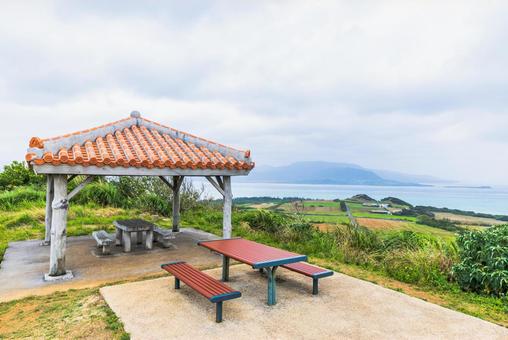
Kohama Island is not the island to rush through with a checklist. The official Okinawa guide describes it as a small Yaeyama island between Ishigaki and Iriomote, with white sand, turquoise water, quiet beaches, swimming and snorkeling opportunities, and broad views across the Yaeyama Islands. That makes the best plan simple: choose a relaxed route, protect the ferry buffer, and leave room for weather.
For travelers staying on Ishigaki, Kohama is useful because it feels meaningfully different without requiring a complicated multi-island day. The island is small enough to understand quickly, but the experience can feel shallow if you arrive only to take a photo and leave. Build the day around a viewpoint, a beach pause, a simple meal, and a return ferry you are comfortable missing only if you have a backup.
The route shape that avoids wasted time
Start with the ferry decision. The official Okinawa ferry page lists Kohama Port as an express ferry destination from Ishigaki Port, with operators linked for schedule checks. Treat the schedule as the spine of the day rather than a detail to confirm at the pier. Island ferries can be affected by weather, sea conditions, and seasonal demand.
Once on Kohama, resist the urge to add another island unless you are already experienced with Yaeyama ferry movement. A better first version is to choose one or two island stops, then let the rest of the time stay flexible for heat, wind, swimming conditions, and the slower rhythm that makes the trip worthwhile.
- Check outbound and return ferries before booking any paid activity.
- Carry sun protection, water, and cash for small local stops.
- Keep the final ferry buffer conservative, especially outside peak daylight hours.
What to do on a first visit
A first Kohama day should balance scenery and low effort. Use the morning or early afternoon for a viewpoint or beach area, then keep the middle of the day easy. If you plan to swim or snorkel, verify current local conditions and choose a supervised or conservative setting rather than assuming every beautiful beach is equally safe.
The island's appeal is not only the sea. The official guide notes a village of red-tiled houses, pastures, and sugarcane fields. Those details matter because they shift the day away from a beach-only plan and toward a slower cultural landscape. Move respectfully through residential areas and avoid treating private lanes as photo sets.
Who should add Kohama to an Okinawa itinerary
Kohama suits travelers who already have at least one night on Ishigaki and want a quieter Yaeyama contrast. It is less suitable as a squeezed add-on between flights, multiple ferries, or a packed Ishigaki driving day. The value is in the slower pace, not in the number of stops.
If this is your first remote-island day in Okinawa, keep the plan intentionally light. Confirm the latest ferry schedule, bring what you need for heat and sun, and use official sources for final transport details before committing money or time.
Sources and image licensing
This article is an original English summary written from official tourism and transport sources. It is not a copied translation of those pages.
Practical planning notes
How to use this guide on the road
Kohama Island Slow Day from Ishigaki is most useful when it is treated as a planning worksheet, not a rigid schedule. Start by deciding what would make the day successful for your group, then use the route, timing, and backup notes to remove weak points before they become expensive or tiring.
For Okinawa, the important question is not only what looks interesting. The better question is whether the plan still works with real station exits, luggage, weather, meal timing, and the pace of the slowest traveler. A plan that leaves space for recovery usually produces more usable memories than one that tries to collect every possible stop.
- Mark one non-negotiable goal for the day and let everything else support it.
- Keep transfers simple when the day involves bags, children, late arrivals, or bad weather.
- Save official transport, attraction, and hotel pages before leaving reliable Wi-Fi.
Timing and route strategy
Good Japan travel planning usually starts with time blocks. Morning is best protected for the main experience, midday should include a realistic meal or rest point, and evening should finish near a station or hotel area that is easy to understand when everyone is tired.
The planning angle for this page is hotel base selection. That means the route should be judged by how smoothly it works in practice: choose the hotel area by the hardest movement of the trip, not by the prettiest neighborhood photo. When two options look similar, choose the one with fewer fragile connections and more chances to pause without losing the whole day.
- Check whether the route has a natural early exit if weather or crowds change.
- Avoid pairing two distant highlights unless the transport link is direct and frequent.
- Put reservations, ticket windows, and last-entry times into the plan before adding optional stops.
What to double-check before booking
This page is written for travelers choosing where to sleep based on transport, luggage, nightlife, and next-day plans. Before making paid decisions, use it to create a short verification list. Official sources should be checked for opening days, seasonal operation, pass coverage, reservation rules, and any temporary service notices close to your travel date.
For searchers comparing Japan travel planning, the most useful detail is often a small operational one: which station exit to use, where luggage will be stored, whether a meal stop needs a reservation, or whether the final connection is still running after dinner. These checks are rarely glamorous, but they prevent the most common travel-day problems.
- Map the station exit, not just the station name.
- Check whether the next morning starts by rail, airport transfer, or local sightseeing.
- Balance evening food access against quiet sleep and luggage convenience.
Common mistakes to avoid
The main mistake with Kohama Island Slow Day from Ishigaki is booking a pleasant-looking area that adds repeated transfers with bags or late-night walking stress. It can make an itinerary look efficient on a map while feeling stressful in real life. Build the plan around the moments where mistakes are hardest to fix: arrival, lunch, closing time, luggage movement, and the final return.
Another common problem is overvaluing distance and undervaluing friction. A short transfer with stairs, crowds, and bags may feel worse than a slightly longer route with a direct train or bus. If the trip includes first-time visitors, families, or winter weather, comfort often matters more than saving a few minutes.
- Do not assume every station on the map is easy with luggage.
- Do not push the main experience too late in the day.
- Do not treat social media highlights as proof that the route is practical for your dates.
A better way to compare options
When choosing between two versions of this plan, score them on four practical factors: total transfers, walking after dark, meal certainty, and how easily you can recover if the first choice is crowded or closed. The option with the lower stress score is often the better vacation choice, even when it is not the theoretically fastest route.
Use ferry, ishigaki, yaeyama, beach as the working theme for this page. If the article is part of a larger Japan itinerary, place it next to related pages about transport, weather, lodging, and daily budget so the reader can move from inspiration to action without leaving the site for basic planning questions.
- Best for: travelers who want practical decisions before they arrive.
- Use with: nearby destination guides, transport calculators, weather planning, and hotel-base comparisons.
- Update check: revisit official pages if your travel date is seasonal, holiday-heavy, or more than a few weeks away.
Related planning links
FAQ
Can Kohama Island be visited as a day trip from Ishigaki?
Yes, it can work as a day trip when ferry times fit your plan. Check the latest operator schedules through official links before travel, because sea and weather conditions can affect movement.
Should I combine Kohama with another Yaeyama island on the same day?
First-time visitors should usually keep Kohama as the main island of the day. Combining islands is possible, but it increases ferry risk and reduces the slow pace that makes Kohama worthwhile.