
Wakkanai Base Guide: Cape Soya, Rishiri, or Rebun?
Use Wakkanai as a weather-aware northern Hokkaido base, then choose Cape Soya, Rishiri, or Rebun by ferry schedule, season, buffer time, and trip purpose.
At a glance
- Best for
- First-time
- Main decision
- Which base reduces time, cost, and luggage friction
- Time needed
- 20-30 minutes before booking hotels
- Official checks
- Hotel location, cancellation rules, room size, station access
- Related tool
- Where To Stay Hub
leave the night after an island day in Wakkanai or on the island instead of attaching a flight or long train to the final ferry.
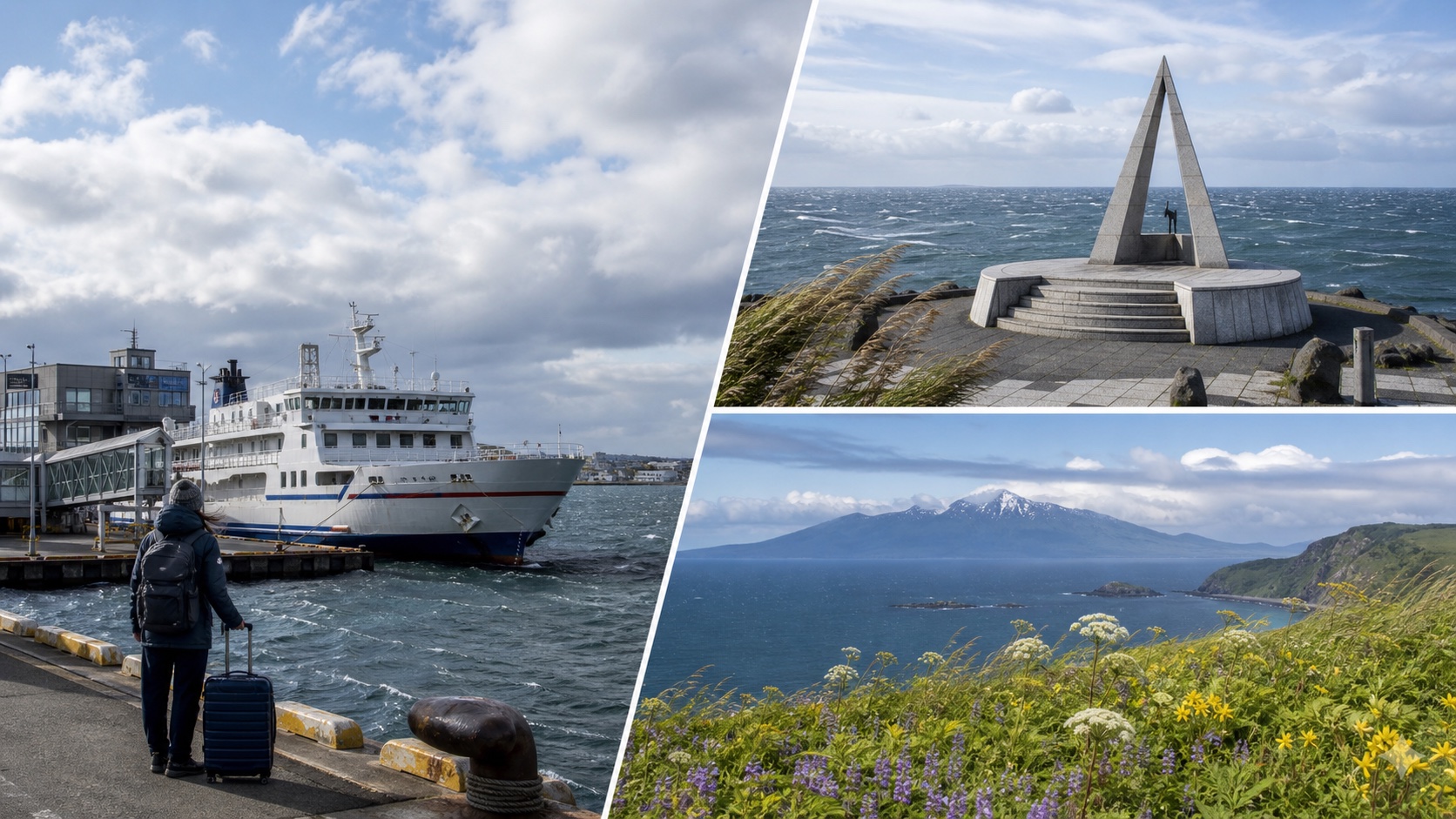
Quick answer
Use Wakkanai as a base for at least two nights if Cape Soya is the main goal. Add Rishiri or Rebun only when there is a full additional day, a checked ferry timetable, and enough buffer to absorb wind or cancellation. A single Wakkanai night is an arrival-and-departure stop; it is not a reliable platform for both the cape and an island.
Cape Soya is the simpler choice and can be reached by Soya Bus. Rishiri is best for mountain scenery, cycling, and a self-contained island stay. Rebun is best for coastal walking and seasonal alpine flowers. Trying to sample both islands from Wakkanai in one rushed day makes the ferry schedule, not the place, the main experience.
If you only do one thing: leave the night after an island day in Wakkanai or on the island instead of attaching a flight or long train to the final ferry.
Who this northern base suits
This guide is for independent travelers who accept that northern Hokkaido is weather-led. It suits summer visitors, rail travelers building a slow Hokkaido route, walkers choosing between Rishiri and Rebun, and repeat visitors who value remote landscapes more than a long attraction list.
It is a poor fit for a one-night dash from Sapporo, a same-day ferry-to-flight connection, or a traveler who cannot tolerate cancellation risk. Outside the main season, reduced daylight, colder conditions, and seasonal services require an even simpler plan.
| Choice | Best for | Minimum planning rule |
|---|---|---|
| Cape Soya | First northern Hokkaido visit | Match the outbound and return bus before leaving Wakkanai. |
| Rishiri | Mountain views, cycling, longer stay | Use a full day or overnight and confirm island transport. |
| Rebun | Coastal walks and flowers | Choose a walk that fits ferry and local bus times. |
| Both islands | Slow trips with several nights | Sleep on an island and retain a weather buffer. |
How many nights to book
Two Wakkanai nights support an arrival day, a Cape Soya day, and a stable departure. Three nights can support one island day if the traveler accepts that weather may turn the island day into a Wakkanai day. Four or more nights are more realistic for an island overnight, walking, cycling, or both Rishiri and Rebun.
Do not count a late arrival or early departure as a usable sightseeing day. Wakkanai itself deserves time for the waterfront, North Breakwater Dome, food, and a slower response to weather. Those are not consolation prizes; they are part of a northern base.
Cape Soya without a car
Soya Bus operates the Tenpoku Soya Misaki route, and its Wakkanai page provides the current timetable and seasonal notes. The official northern Hokkaido tourism site lists the bus journey from Wakkanai Station at about 50 minutes. Use those figures to understand scale, then read the current timetable for the actual date.
In the main sightseeing season, Soya Bus also operates reserved sightseeing-bus courses on specified dates. For 2026, the official course page lists seasonal operation and includes Cape Soya. This can simplify a first visit, but it is not a year-round substitute for the route bus. Check the operating period, reservation status, pickup point, and whether an airport drop fits the actual flight.
At Cape Soya, wind can be intense even when Wakkanai feels manageable. Bring a layer that blocks wind and secure hats or loose items. Keep the return bus visible in the plan; a remote landmark is not the place to discover that the next service is much later than expected.
Rishiri or Rebun: make one decision
Choose Rishiri when the visual anchor is Mount Rishiri, when cycling or a longer island stay matters, or when the trip has enough time to solve transport beyond the ferry terminal. Choose Rebun for coastal walks, wildflower landscapes, and a route built around trailheads and local buses. Neither island should be reduced to a quick harbor photo between ferries.
Heartland Ferry operates Wakkanai connections to Rishiri and Rebun and seasonal inter-island services. The operator publishes current timetables, fares, reservation status, and same-day operating status. Schedules vary by period, and wind can change the day. Read the exact date, direction, port, and vessel status rather than relying on a route overview.
When choosing a walk, use the island's official tourism information and match the trail to daylight, local transport, and footwear. Mount Rishiri is a serious mountain objective, not an extension of a casual ferry day.
Step-by-step island day
Step 1: Check the operator's timetable for the exact date. Note the Wakkanai departure, island port, return, check-in recommendation, and reservation conditions.
Step 2: Check same-day operating status. Do this before leaving the hotel. A reservation does not control the weather.
Step 3: Choose one island activity before boarding. Confirm a bus, rental, tour, or walk that begins at the correct port and returns with a margin.
Step 4: Carry wind and rain protection. Northern coastal weather can change quickly. Bring water, food appropriate to the route, and a phone battery.
Step 5: Return one ferry earlier than the plan's absolute limit when possible. Keep the evening in Wakkanai simple and avoid a same-day flight or long-distance rail dependency.
Weather, ferry, and baggage rules
Use the Heartland Ferry operating-status page on the day of travel. If a sailing is canceled, do not assume a later boat will automatically replace it. Follow the operator's instructions and speak with accommodation or onward transport providers as soon as disruption is clear.
Vehicle, bicycle, and passenger reservation conditions differ. A traveler taking a rental car onto an island has a different booking problem from a foot passenger. Large luggage also affects movement after arrival, so leave unnecessary bags in Wakkanai or send them to the next confirmed accommodation when feasible.
| Common mistake | Why it fails | Better move |
|---|---|---|
| Cape and island on one short day | Bus and ferry windows compete. | Give each a separate day. |
| Final ferry to flight | Wind or delay can break the connection. | Sleep in Wakkanai after the island. |
| Picking an island by photo only | Activities and local transport differ. | Choose by the actual day plan. |
| Using one annual timetable screenshot | Sailings vary by season and status. | Check the exact date and same-day operation. |
Where to stay in Wakkanai
For an early ferry, prioritize a hotel with a clear walk or transfer to the ferry terminal. For Cape Soya by bus, confirm the distance to the Wakkanai Station bus terminal. A lower room price on the edge of town can create a taxi dependency before dawn. Ask about breakfast timing, luggage storage after checkout, and what happens if a ferry cancellation requires another night. In busy periods, a flexible extra night may be difficult to add at the last minute.
What to verify on official sources
Check Soya Bus for the Wakkanai route bus and seasonal sightseeing buses. Check Heartland Ferry for the exact date's Wakkanai, Rishiri, Rebun, and inter-island sailings, fares, reservation status, and same-day operation. Use Wakkanai and northern Hokkaido official tourism pages for Cape Soya access and local conditions.
Related tools and next steps
- Trip Planner — compare two, three, and four-night versions.
- Region Finder — keep a Wakkanai day ready for ferry disruption.
- Season Packing Planner — prepare for wind and temperature swings.
- Hokkaido guide — connect Wakkanai with Sapporo or another northern base.
Official sources
- Soya Bus: Wakkanai route buses (checked 2026-08-30)
- Soya Bus: 2026 sightseeing courses (checked 2026-08-30)
- Heartland Ferry: Wakkanai, Rishiri, and Rebun timetable (checked 2026-08-30)
- Heartland Ferry: same-day operating status (checked 2026-08-30)
- Official northern Hokkaido tourism: Cape Soya (checked 2026-08-30)
Plan your next step
FAQ
How many nights should I spend in Wakkanai?
Book at least two nights for a stable Cape Soya visit. Add one or more nights for Rishiri or Rebun, and keep weather buffer around an island day.
Can I visit Cape Soya without a car?
Yes. Soya Bus serves Cape Soya, and seasonal reserved sightseeing buses may also operate. Check the exact date and return before leaving Wakkanai.
Should I choose Rishiri or Rebun?
Choose Rishiri for Mount Rishiri scenery, cycling, or a longer island stay. Choose Rebun for coastal walks and seasonal flower landscapes.
Can I visit both Rishiri and Rebun in one day?
Some seasonal timetables may make a brief combination possible, but most first-time visitors gain more by giving one island a full day or overnight.
Are Wakkanai ferries often canceled?
Weather can disrupt service. Check Heartland Ferry's same-day operating status and avoid attaching the final ferry to a flight or long train.
Is the Cape Soya sightseeing bus year-round?
No. The reserved sightseeing courses are seasonal. The route bus has separate timetable information, so check Soya Bus for the actual date.