
June 30, 2026
Kansai Five-Day Kyoto Osaka Nara Route
A five-day Kansai itinerary that balances Kyoto temples, Osaka food, Nara heritage, luggage, and crowd management.
Summary Card
Use this guide for one clear planning decision.
- Best for
- First-time
- Main decision
- Which bases and transfer days make the route realistic
- Time needed
- 30-45 minutes to compare route options
- Official checks
- Opening hours, transport schedules, weather, reservations
- Related tool
- Budget Calculator
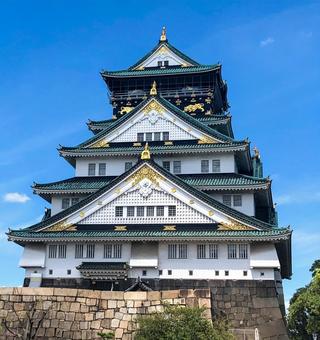
Why this Itinerary topic deserves a real plan
Kansai is strongest when Kyoto, Osaka, and Nara are sequenced by mood and transport, not treated as interchangeable day trips. This is the difference between a page that merely names places and a page that helps a traveler make a better decision before spending money or time.
Official tourism materials for Kyoto and Osaka show very different travel rhythms: Kyoto rewards early starts and manners, while Osaka supports food evenings and rail convenience. Nara adds heritage and walking time. This article uses those official sources as the factual base, then turns them into original English planning advice for travelers who need clarity rather than a copied description.
The goal is not to overpromise a perfect day. It is to show what to check, what to simplify, and where the risk usually appears. That kind of guidance is more useful than another list of famous stops, especially for readers planning from overseas.
How to plan Kansai Five-Day Kyoto Osaka Nara Route in practice
Use two Kyoto-focused days, one Nara day, one Osaka food-and-history day, and one flexible recovery or shopping day. Sleep in one or two bases depending on luggage comfort; do not change hotels just to save a short train ride.
Start with the decision that controls the rest of the day: base area, transport route, timing window, food access, luggage, or weather exposure. Once that decision is clear, the itinerary becomes easier to adjust without losing the main purpose of the trip.
A good plan also includes one deliberate non-highlight: a rest block, hotel return, simple meal, indoor stop, or backup route. Travelers often skip this because it looks unexciting on paper, but it is exactly what keeps the day enjoyable when Japan is hot, crowded, rainy, snowy, or simply more tiring than expected.
- Put Kyoto’s busiest outdoor stops early.
- Use Osaka evenings for food and simpler returns.
- Give Nara enough walking time.
- Avoid hotel moves that cost more energy than they save.
What to verify before you rely on the plan
Check temple congestion, Nara walking distance, Osaka hotel station, and luggage movement. During cherry blossom and autumn, simplify the route further.
Use official sources for details that can change: operating days, transport coverage, weather alerts, facility rules, reservations, luggage rules, and access restrictions. If a detail affects money, safety, or a same-day connection, check it again close to travel.
For SEO and reader trust, this page intentionally avoids pretending that every price, timetable, and queue condition is fixed. The stable value is the decision framework. The current details should come from the linked official source or the operator that controls the service.
Common mistakes to avoid
Most problems in this topic come from assuming that a good idea online will behave the same way on the ground. Japan rewards precise planning, but it also punishes plans that ignore fatigue, bags, weather, closing days, or the last return route.
Use the mistakes below as a pre-trip audit. If more than one applies to your draft itinerary, simplify the day before you book non-refundable hotels, tickets, or activities.
- Trying to see Kyoto, Osaka, and Nara in two days.
- Ignoring bus crowding in Kyoto.
- Switching hotels without a luggage reason.
Who should use this guide
This guide is best for travelers who want practical Japan planning in clear English: first-time visitors, return travelers exploring a new region, families, solo travelers, and anyone building an itinerary from official information rather than social media fragments.
It is also useful if you are comparing two reasonable choices and need a tie-breaker. The best Japan itinerary is not the one with the most pins; it is the one where each day has a purpose, a workable route, and enough margin to still feel like travel rather than logistics.
When using this article, turn the checks into a short pre-booking list. Confirm the official source, mark the one detail that would break the day if it changed, and keep a simpler backup beside the ideal plan. That small step is often what separates a smooth Japan trip from a schedule that collapses after one delay.
Use next on Japan Trip Tools
- Japan Before-Booking Route Checklist — use this before locking hotels or transport
- How to Use Japan Trip Tools Planners — turn the article into a working trip plan
Sources and image licensing
This article is an original English summary written from official tourism and transport sources. It is not a copied translation of those pages.
Choose your overnight bases first, then remove any day trip that makes the route depend on perfect timing.
Quick answer
A strong itinerary works backward from nights, bases, and transfer effort. Keep the route simple enough that food, rest, weather, and luggage do not become afterthoughts.
This Itineraries guide is written for travelers using Kyoto as a real planning decision, not just a list of attractions. Read it with your dates, arrival airport, hotel area, luggage level, and daily pace in mind. The goal is to leave with a next action: a route to compare, a tool to run, or an official detail to verify before paying.
Who this guide is for
| Traveler | Why it helps | Best next action |
|---|---|---|
| First-time travelers | Need a practical way to turn the guide into a route or booking decision. | Read the quick answer, then run the related tool. |
| First-time planners | Need fewer surprises around stations, hotels, cost, and timing. | Use the decision table before booking. |
| Repeat visitors | Want to compare tradeoffs instead of repeating the classic route. | Use the mistake table to refine the plan. |
Key decision table
| Decision | Choose this when | Check before booking |
|---|---|---|
| Keep the route compact | You have limited nights or a first Japan trip. | Rail time, hotel changes, and luggage movement. |
| Add a side trip | The base is stable and weather backup is nearby. | Return train or bus options. |
| Book special activities | The day depends on timed entry, season, or high demand. | Official ticket and reservation pages. |
Step-by-step plan
- Pick the main decision this guide should answer before adding more attractions.
- Check your route length, base city, luggage plan, and daily pace.
- Use the decision table to remove options that create weak transfer days.
- Verify official hours, ticket rules, transport schedules, and weather before booking.
Cost / time / route table
| Planning item | Time or cost impact | Practical action |
|---|---|---|
| Hotel base | Can change both nightly rate and daily transport time. | Compare station access before judging price. |
| Long-distance transport | Often the largest route-dependent cost. | Check individual tickets before buying a pass. |
| Activities and tickets | Timed entry, theme parks, museums, and tours can reshape the day. | Book high-demand items early and keep the surrounding plan lighter. |
| Food and rest time | Underplanned meals reduce energy and increase impulse spending. | Mark one meal area and one backup per day. |
For Kansai Five-Day Kyoto Osaka Nara Route, the most useful approach is to make the decision visible before adding more places. Write the trip constraint at the top of your notes: number of nights, arrival airport, first hotel area, luggage level, and the one experience that would make the day feel successful. This prevents the guide from becoming a loose wishlist and helps you reject options that look attractive but weaken the route.
Use Kyoto as the practical anchor. In Japan, two places that look close on a map can feel very different once station transfers, crowds, elevators, bus frequency, and last train timing are included. A better plan usually keeps the day inside one transport corridor, then adds food and backup ideas nearby instead of crossing the city for every famous stop.
Before booking, compare the best-case plan with a normal travel day. Add time for leaving the hotel, finding the right platform or bus stop, storing or carrying bags, buying food, and recovering from weather. If the plan only works when every connection is perfect, simplify it. Good Japan travel planning is not about seeing less; it is about protecting the parts of the trip you care about most.
When cost matters, separate unavoidable costs from optional upgrades. Hotels, airport transfers, long-distance rail, and core tickets belong in the first group. Special meals, shopping, taxis, and paid views belong in the second group. This split makes it easier to decide where spending improves the trip and where it only adds pressure.
For itinerary pages, protect transfer days. A ten-day route with two strong bases often feels better than a longer list of cities with weak mornings. If you add a side trip, make sure the base city still earns its nights and that the next day is not another heavy transfer.
Core itinerary pages should also connect to budget and transport checks. A route that looks balanced on paper can become expensive after Shinkansen legs, airport transfers, luggage forwarding, and peak-season hotels are added. Run the budget before treating the route as final.
Keep one flexible block in the middle of the trip. This can absorb rain, heat, jet lag, shopping, laundry, or an attraction that takes longer than expected. Flex time is not empty time; it is what makes the rest of the itinerary more reliable.
A practical Japan itinerary should be written around mornings, evenings, and transfer friction. Mornings are best for popular temples, markets, gardens, and day trips that depend on limited transport. Evenings are best for food districts, shopping streets, hotel-area walks, and low-pressure backup plans. When a route puts hard sightseeing on both sides of a long transfer, the traveler pays for it twice: once in time and once in attention.
For first-time routes, decide whether the trip is city-led or region-led. A city-led route usually uses Tokyo, Kyoto, and Osaka as the main bases. A region-led route might choose Hokkaido, Kyushu, Okinawa, Chubu, or Setouchi because the season or travel purpose is stronger there. Mixing both styles in a short trip often produces a plan that looks exciting online but feels fragmented on the ground.
The best itinerary pages also explain what to remove. If a day trip creates a second early start after a late arrival, remove it. If an attraction needs timed tickets but sits far from the rest of the day, move it or make it the anchor. If a scenic area depends heavily on weather, keep a nearby indoor or food-focused alternative rather than pretending the forecast will cooperate.
Hotel geography should be tested against the route. In Tokyo, a base can be excellent for west-side neighborhoods but weaker for early east-side sightseeing. In Kyoto, a station base may beat a more atmospheric stay when luggage and day trips matter. In Osaka, Namba and Umeda solve different evenings and rail needs. Itinerary quality improves when the hotel base is chosen for the days that actually exist, not for a generic ranking of neighborhoods.
Food and rest are part of the route, not decoration. Mark one meal area per day and one backup nearby. This prevents a common first-trip pattern: travelers spend the morning doing well, lose time crossing the city for a famous lunch, then arrive at the afternoon area tired and late. A route with practical food anchors keeps users on page longer because it helps them imagine the day clearly.
Before publishing or booking an itinerary, stress-test it with three questions. Does the day still work in rain or heat? Can the traveler return to the hotel without a difficult late transfer? Is there enough slack for station navigation, queues, ticket pickup, lockers, and shopping? If the answer is no, the itinerary needs fewer stops, not more explanation.
Use a simple map logic when judging each day. Put the morning anchor, lunch area, afternoon anchor, and evening return on the same side of the city whenever possible. In Tokyo this may mean not mixing Asakusa, Shibuya, and Odaiba in one casual day. In Kyoto it may mean not pairing Arashiyama with eastern temple areas unless the traveler understands the extra transit. A good route groups experiences by corridor.
Booking order also matters. Flights and rough route come first, then hotel bases, then long-distance transport, then high-demand tickets, then restaurants and smaller attractions. Travelers often reverse this order because a famous restaurant or attraction feels exciting. That can trap the trip around one booking and make the larger itinerary weaker.
For families, older travelers, or anyone carrying larger bags, every itinerary should identify low-effort days. These are not wasted days. They protect the more important days by giving space for laundry, weather, shopping, medical needs, jet lag, or a slower meal. A route with one protected light day often produces better memories than a route that wins on paper but fails by day four.
Official information should be used for facts that can change: railway schedules, attraction closures, seasonal tickets, luggage rules, festival dates, weather alerts, and pass prices. The itinerary can explain the decision framework, but it should not pretend that a static article replaces operator pages. This is especially important for new sites trying to earn trust from search engines and readers.
When comparing two itinerary options, choose the one with fewer irreversible mistakes. A missed garden can be replaced by another garden. A poorly located hotel, a tight transfer with large bags, or a rail pass bought for the wrong route is harder to fix. This is why practical itinerary pages should always link to budget, transport, region, and lodging checks rather than keeping users on a single isolated article.
Daily rhythm is the easiest quality check. A strong day usually has one demanding anchor, one flexible secondary area, and one easy evening. A weak day has three distant anchors, no meal logic, and no clear return path. When the rhythm is visible, travelers can adapt the plan without losing the purpose of the day.
The final itinerary should include a deletion rule. If the weather turns bad, if a train connection fails, or if the group is tired, decide in advance which stop disappears first. This prevents travelers from protecting the least important item just because it appears next on the list. A good plan tells users what to skip, not only what to add.
Before the itinerary is ready to publish or book, run one last checklist: arrival route, first-night hotel access, main transfer day, luggage plan, daily food area, backup activity, official ticket page, and estimated cost. If any item is blank, that is the next planning task. This turns an article from inspiration into a usable travel tool.
Common mistakes
| Mistake | Why it hurts the trip | Better fix |
|---|---|---|
| Planning by famous names only | The route looks exciting but becomes slow on the ground. | Group stops by area and station line. |
| Ignoring luggage | Transfers become stressful, especially on stairs or crowded trains. | Use lockers, forwarding, or fewer hotel changes. |
| Skipping official checks | Hours, prices, and reservation rules may have changed. | Verify the operator or attraction site before paying. |
| No weather backup | Outdoor-heavy days become fragile. | Keep one indoor or lower-effort option near the same base. |
What to verify on official sources
| Official check | Why it matters | When to verify |
|---|---|---|
| Opening hours and closed days | Small schedule changes can break a day plan. | One week before and again the night before. |
| Transport schedules and fares | Last trains, rural buses, and pass rules can change the route. | Before buying tickets or passes. |
| Weather, alerts, and seasonal conditions | Heat, snow, typhoons, and crowd peaks affect pacing. | During final itinerary review. |
| Reservation and ticket rules | High-demand attractions may need timed entry or app setup. | Before locking the day order. |
Related tools
Related guides
FAQ
How should I use this guide?
Use it to make one route, transport, lodging, or budget decision, then verify official details before booking.
When should I check official sources?
Check before buying tickets, booking hotels, and again shortly before travel for schedules, weather, and reservation rules.
Is this guide enough for a full Kyoto plan?
Use it as a decision layer, then connect it with the related tools, region pages, and itinerary guides listed above.
Related planning links
FAQ
Is this guide based on official sources?
Yes. The article is written from official tourism, transport, or operator sources listed on the page, then rewritten as original practical planning advice for English-speaking travelers.
Should I still check current details before travel?
Yes. Always recheck details that can change, including transport schedules, opening days, reservation rules, prices, weather, and local notices.
Who is this article written for?
It is written for travelers who want reliable Japan travel decisions rather than a generic list of places. It prioritizes timing, access, comfort, and backup planning.